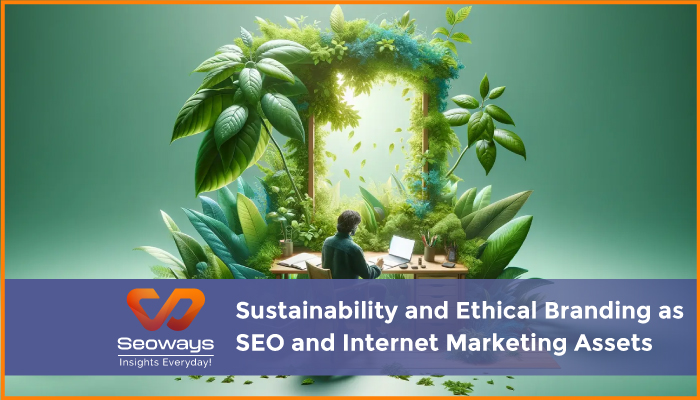
Sustainability and ethical branding are no longer just corporate buzzwords. In today’s digital marketing landscape, they are critical assets that can influence SEO, internet marketing and overall brand reputation. Consumers increasingly value brands that demonstrate responsibility, transparency and environmental awareness. Integrating sustainability and ethics into marketing strategies not only strengthens brand trust but also enhances search visibility and audience engagement.
Sustainability refers to practices that minimize negative environmental and social impacts while promoting long term resource management. Ethical branding encompasses honesty, fairness, social responsibility and transparency in business operations and marketing.
Brands that adopt these principles communicate values that resonate with modern consumers. They create meaningful narratives around their products and services, which naturally attract organic traffic, backlinks and social sharing, boosting SEO and internet marketing performance.
Digital marketing thrives on trust and authority. Search engines prioritize content from credible, responsible sources. Brands that actively demonstrate ethical practices and sustainable initiatives can benefit from increased online visibility, improved domain authority, and stronger audience engagement.
Additionally, ethical storytelling aligns with content marketing strategies, allowing brands to produce compelling blog posts, social media content, and campaigns that resonate emotionally with audiences. These efforts translate into measurable SEO benefits including higher click through rates, lower bounce rates, and enhanced backlink opportunities.
Share your brand journey, including sustainable practices, sourcing policies, and ethical commitments. Transparency fosters trust, encourages user engagement, and naturally generates content worth linking to.
Create blog posts, videos, and social media content that highlights your commitment to sustainability. Explain why your processes are eco friendly and ethically responsible. Storytelling adds depth and context that search engines recognize and reward.
Brands that provide educational, ethical, and sustainable content attract authoritative backlinks. Producing guides, research studies, or informative articles positions your brand as a thought leader, enhancing SEO value.
Encourage customers to share their experiences with your sustainable and ethical practices. Positive reviews and testimonials not only build credibility but also enhance local SEO and online trust.
Align sustainability messaging across all marketing channels, from website content to email marketing and social media campaigns. Consistent messaging reinforces brand authority and ensures cohesive storytelling.
Use relevant keywords related to sustainability, ethics, and responsible business practices. Include semantic variations, structured data, and metadata that highlight eco friendly initiatives. Search engines increasingly prioritize meaningful content that reflects brand values.
Consumers and AI models can detect inauthentic claims. Exaggerating or misrepresenting sustainability efforts can harm reputation and SEO performance. Authentic communication is essential.
Ethical messaging must reflect actual practices. Marketing campaigns that claim sustainability without operational backing will face backlash, impacting brand trust and search visibility.
Attributing direct SEO benefits to sustainability initiatives can be complex. Combining analytics with qualitative metrics such as engagement and backlinks provides a clearer picture of impact.
Coordinating messaging across multilingual markets, social platforms, and multiple campaigns requires careful planning. Consistency reinforces credibility and strengthens SEO benefits.
Brands integrating sustainability and ethics into their marketing often experience increased consumer trust, better engagement, and higher search engine visibility. Ethical storytelling and eco friendly messaging resonate with audiences who are more likely to share content, link to resources, and engage in meaningful ways.
Ignoring sustainability in marketing strategies may lead to missed opportunities in audience trust, brand authority, and organic search traffic. Consumers today are informed, discerning, and value transparency and responsibility.
Sustainability and ethical branding will become increasingly central to SEO and internet marketing strategies. As search engines and AI models evolve to prioritize authoritative, value driven content, brands that embed responsibility and transparency into their messaging will enjoy long term advantages in visibility, engagement and loyalty.
Sustainability and ethical branding are powerful assets for SEO and internet marketing. By implementing transparent storytelling, creating content that highlights ethical practices, and leveraging these efforts across multiple channels, brands can enhance visibility, attract organic links, and build trust with audiences. Integrating these principles into digital marketing strategies ensures relevance and authority in a world where consumers and search engines increasingly value responsibility.
| Section | Key Idea | Takeaway |
| Understanding Sustainability | Eco friendly and responsible practices | Align business values with marketing strategy |
| Importance in Digital Marketing | Trust, authority, SEO benefits | Ethical branding improves visibility and engagement |
| Strategies | Transparent storytelling, content, links | Integrate sustainability into campaigns for impact |
| Challenges | Authenticity, measurement, consistency | Ensure real practices and avoid misrepresentation |
| Practical Steps | Audit, content, structured data | Maximize SEO and marketing benefits |
| Real World Perspective | Consumer engagement and trust | Ethical brands gain credibility and backlinks |
| Future Outlook | Evolving search engine and AI priorities | Sustainability becomes central to marketing success |


Request your best quote today!”

With the #1 Digital Marketing Agency!
We specialize in SEO, driving traffic, enhancing online visibility, and transforming markets with innovative strategies.
Seoways LLP,
1st Floor, SKK Complex,
Mohanur Road,
TN – 637001
Skype/Telegram: Seoways
Phone: +91 959 77 00 888