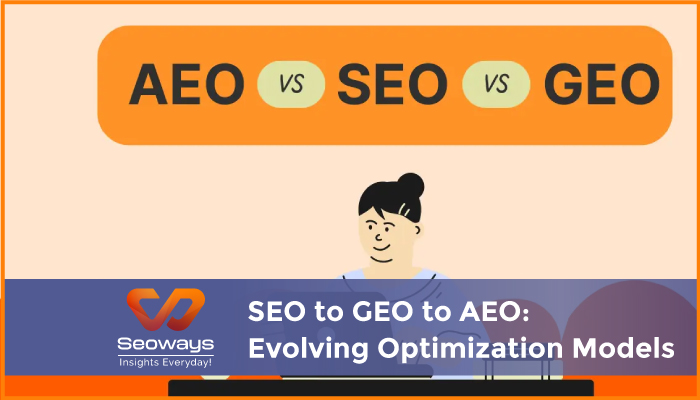
Search engine optimization has been evolving rapidly. From traditional SEO focused on keywords, to GEO targeting specific geographic areas, and now AEO, or Answer Engine Optimization, marketers must adapt to stay ahead. Each phase represents a shift in how content is optimized for visibility, engagement, and conversions. In this article, we’ll explore the evolution of optimization models, how businesses can leverage these strategies, and real-life examples demonstrating their effectiveness.
SEO, or Search Engine Optimization, started as the practice of optimizing content for search engines through keywords, meta tags, backlinks, and site structure. Traditional SEO focused on ranking in organic search results.
Example: A small e-commerce store selling handmade soaps optimized product pages for “organic soap,” improving Google ranking and increasing traffic significantly.
GEO optimization, or local SEO, emerged as search engines began prioritizing results based on user location. Businesses realized that targeting local audiences improved relevance and conversions.
Example: A local restaurant in Chennai optimized its Google Business Profile and used local keywords like “best dosa near T. Nagar.” Within weeks, foot traffic increased noticeably.
GEO emphasized user context—search engines now deliver results based on where the user is, not just what they type.
AEO, or Answer Engine Optimization, is the next evolution. With AI-driven search assistants like Google’s AI, ChatGPT, Siri, and Alexa, users expect immediate answers rather than links to pages. AEO focuses on providing concise, relevant answers directly in search results.
Example: A travel blog optimized for AEO by structuring content with question-and-answer formats, tables, and lists. Queries like “best beaches in Goa for families” returned direct answers, boosting visibility and engagement.
| Model | Focus | Key Benefit |
| SEO | Keywords, backlinks, site structure | Organic traffic and ranking |
| GEO | Location, local listings, reviews | Local relevance and conversions |
| AEO | Direct answers, structured content | User engagement and snippet visibility |
Understanding these differences helps businesses target users more effectively across different search scenarios.
AI has accelerated the shift from traditional search to answer-based optimization. Chatbots and AI assistants interpret intent, context, and conversational language. AEO focuses on creating content that satisfies AI-driven algorithms.
Example: A fitness website optimized meal plans and workout guides using structured data and conversational language. AI search assistants now deliver these as direct answers to users’ queries.
Key Takeaways:
To succeed in today’s search landscape, businesses should integrate SEO, GEO, and AEO strategies. A hybrid approach ensures visibility across traditional search results, local search, and AI-driven answer engines.
Step-by-Step Approach:
E-commerce Brand: By combining local GEO keywords with structured AEO content, a cosmetics store saw a 50% increase in organic sales.
Service-Based Business: A law firm optimized for local search and structured answers for FAQs. They received more direct calls from local clients without users visiting the website first.
Blog/Media Website: Structured long-form content with AEO principles gained visibility in Google’s “People Also Ask” section, driving 40% more traffic over three months.
Businesses that adapt early to these trends will maintain a competitive edge.
The evolution from SEO to GEO to AEO reflects the changing expectations of users and the advancement of search technologies. Traditional SEO laid the groundwork, GEO ensured local relevance, and AEO leverages AI to provide immediate answers. By understanding and implementing strategies across these three models, businesses can increase visibility, engagement, and conversions in a rapidly evolving digital landscape.
| Section | Key Focus | Practical Application |
| 1. Traditional SEO | Keywords, backlinks, site structure | Build organic search foundation |
| 2. GEO Optimization | Local listings, location keywords | Capture nearby customers |
| 3. AEO | Structured content, direct answers | Boost snippet visibility |
| 4. Differences Between Models | SEO vs GEO vs AEO | Choose strategy based on goals |
| 5. AI’s Role in AEO | Voice and AI assistants | Optimize content for AI-driven search |
| 6. Implementing Modern Strategy | Hybrid SEO-GEO-AEO approach | Maximize traffic and engagement |
| 7. Real-Life Success Stories | Case studies from various industries | Demonstrate practical results |
| 8. Future Trends | AI, voice, AR/VR, user intent | Stay ahead in search optimization |


Request your best quote today!”

With the #1 Digital Marketing Agency!
We specialize in SEO, driving traffic, enhancing online visibility, and transforming markets with innovative strategies.
Seoways LLP,
1st Floor, SKK Complex,
Mohanur Road,
TN – 637001
Skype/Telegram: Seoways
Phone: +91 959 77 00 888