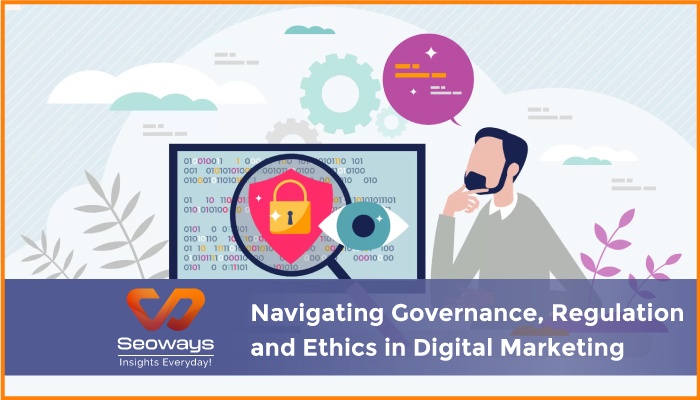
Digital marketing is evolving fast. New technologies, platforms and AI tools are reshaping how businesses reach audiences. Amid all this innovation, governance, regulation and ethics have become more critical than ever. Companies cannot simply focus on clicks and conversions. They must consider compliance, transparency and the moral implications of their campaigns.
Governance in digital marketing refers to the policies, processes and guidelines that ensure campaigns align with business objectives and legal requirements. Good governance creates accountability, reduces risks and improves overall performance.
Having clear governance means knowing who approves campaigns, how data is collected and used, and what metrics matter most. Without governance, teams may run campaigns that conflict with brand values or violate laws, causing reputational damage.
Regulations exist to protect consumers, ensure fairness and prevent misuse of data. Privacy laws, advertising standards and online commerce rules are examples of regulatory frameworks impacting digital marketing.
Different countries have unique regulations. The General Data Protection Regulation in Europe focuses on user consent and data protection. In the United States, laws vary by state, covering areas like email marketing and children online. Businesses operating internationally need to navigate multiple regulatory landscapes simultaneously.
Non compliance can lead to hefty fines, legal actions and public backlash. Digital marketers must stay updated on new rules, maintain proper documentation and implement compliance checks within campaigns.
Ethics goes beyond legal requirements. It is about doing the right thing even when no one is watching. Ethical marketing respects consumers, avoids deceptive practices and promotes transparency.
Ethical considerations include honest messaging, protecting customer data, avoiding manipulative techniques and acknowledging sponsored content. Brands that prioritize ethics build trust, customer loyalty and long term sustainability.
Collecting data is central to digital marketing, but misuse or mishandling can lead to violations. Ethical marketers ensure consent is obtained, data is stored securely and only necessary information is collected.
Overstating benefits, hiding costs or using clickbait can drive short term gains but erode credibility. Ethical campaigns maintain clarity and honesty.
AI tools offer efficiency and insights, but their decisions can be opaque. Marketers must ensure AI recommendations do not perpetuate biases or violate user rights.
Operating in multiple regions adds complexity. A practice acceptable in one country may be illegal in another. Governance processes must account for these differences.
Document rules for content creation, approvals, data handling and campaign monitoring. Make sure every team member understands their role.
Laws and ethical standards evolve. Regular training sessions and updates help teams remain compliant and responsible.
Maintain logs of campaign decisions, approvals and data usage. This ensures accountability and makes audits easier.
Automation and AI can support governance by enforcing rules and flagging potential issues. However, human oversight remains crucial.
Before launching campaigns, ask questions like Does this respect the audience? Is the information accurate? Could it be misleading? This reflection prevents ethical lapses.
Companies that prioritize governance and ethics often outperform competitors in trust metrics. When faced with regulatory scrutiny, they recover faster and avoid reputational damage. Ethical campaigns also attract repeat customers, improve engagement and foster positive brand perception.
Brands ignoring these aspects may experience fines, social media backlash and loss of consumer confidence. Even a single campaign misstep can have long lasting consequences.
As digital marketing grows more complex, governance, regulation and ethics will become integral to strategy. AI tools, immersive experiences and personalized content will demand even higher levels of oversight. Companies that embed these principles into their culture will lead the industry and create sustainable growth.
Navigating governance, regulation and ethics in digital marketing is no longer optional. It is essential for legal compliance, brand reputation and long term success. Marketers who embrace transparency, ethical practices and structured governance can innovate confidently, protect their audience and maintain trust.
| Section | Key Idea | Takeaway |
| Governance in Digital Marketing | Policies and processes for accountability | Clear rules prevent conflicts and risks |
| Regulation | Compliance with laws and standards | Avoid fines and legal issues |
| Ethics | Doing what is right beyond the law | Builds trust and long term loyalty |
| Common Challenges | Data privacy, AI bias, misleading ads | Identify and mitigate risks proactively |
| Strategies | Policies, training, reporting, oversight | Implement structured approaches for safe campaigns |
| Future Outlook | Increasing complexity in marketing | Early adoption of governance and ethics ensures leadership |


Request your best quote today!”

With the #1 Digital Marketing Agency!
We specialize in SEO, driving traffic, enhancing online visibility, and transforming markets with innovative strategies.
Seoways LLP,
1st Floor, SKK Complex,
Mohanur Road,
TN – 637001
Skype/Telegram: Seoways
Phone: +91 959 77 00 888