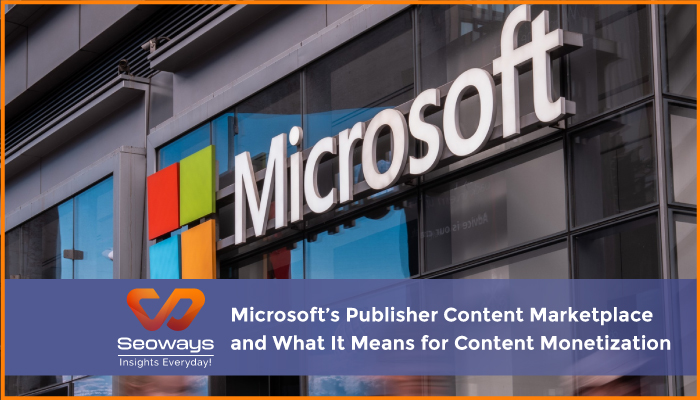
The digital publishing landscape has always been evolving, but Microsoft has recently taken a bold step with its Publisher Content Marketplace. For content creators, marketers, and businesses, this is more than just a new platform. It represents a shift in how content can be monetized and distributed across multiple channels.
The Marketplace allows creators to connect directly with brands, advertisers, and publishers, offering a new revenue stream while also giving marketers access to quality content at scale. In 2025, understanding this ecosystem is crucial for anyone looking to maximize content value.
At its core, the Marketplace is a platform where publishers and content creators can list articles, videos, and multimedia content. Microsoft then connects this content with brands, businesses, and advertisers looking for authentic materials to distribute or feature on their platforms.
Unlike traditional ad networks, the emphasis is on content quality and relevance. Publishers are no longer just selling ad space; they are selling value through insightful and engaging content. This creates opportunities for long-term monetization and partnership.
Content monetization has always been challenging. Ad revenue fluctuates, affiliate marketing requires effort, and sponsored posts can feel transactional. Microsoft’s Marketplace introduces new dynamics:
Several stakeholders find value in this ecosystem:
To succeed on Microsoft’s Marketplace, creators need to adapt and strategize carefully.
For marketers, this Marketplace changes how content campaigns are planned. Instead of relying on external writers or ad networks, brands can acquire ready-to-use content that is already optimized for digital consumption.
This also impacts traditional SEO strategies. Quality and relevance are more important than ever. Content that engages users and aligns with brand messaging is rewarded, while generic or spun content loses value.
Creators, on the other hand, are incentivized to improve skillsets. Writing with precision, producing visually appealing media, and understanding audience intent all contribute to better monetization potential.
Microsoft is incorporating AI to recommend content placements and optimize distribution. This helps both creators and brands. AI analyzes audience preferences, predicts engagement, and identifies content gaps.
Creators who learn to use these AI insights gain an edge. They can tailor content to trends, suggest strategic placements, and increase revenue potential. It is no longer about quantity of content, but intelligence in creation and distribution.
The Publisher Content Marketplace is likely just the beginning. In the coming years, expect more AI integration, better monetization models, and more collaborative tools for creators and brands.
For content creators, the takeaway is clear. The future belongs to those who can combine creativity, relevance, and strategic insight. Platforms like Microsoft’s Marketplace make this possible, offering both opportunity and challenge.
| Section | Key Focus | Why It Matters |
| Marketplace Overview | Platform basics | Understand core features |
| Monetization Dynamics | Direct deals, subscriptions | Unlock revenue potential |
| Beneficiaries | Creators, brands, publishers | Who gains the most |
| Success Strategies | Quality, trends, multi format | Maximize earnings |
| Real World Impact | Marketing and SEO changes | Adapting to new workflows |
| AI Integration | Recommendations and optimization | Improve visibility and revenue |
| Future Outlook | Trends and opportunities | Prepare for next evolution |


Request your best quote today!”

With the #1 Digital Marketing Agency!
We specialize in SEO, driving traffic, enhancing online visibility, and transforming markets with innovative strategies.
Seoways LLP,
1st Floor, SKK Complex,
Mohanur Road,
TN – 637001
Skype/Telegram: Seoways
Phone: +91 959 77 00 888