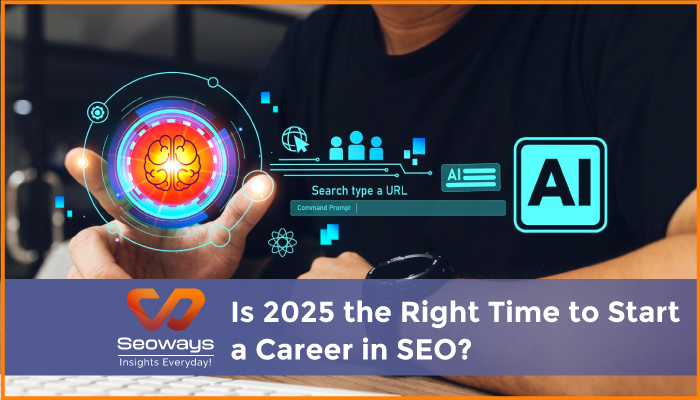
The digital landscape is evolving rapidly. Artificial intelligence is no longer a futuristic concept; it is shaping the way search engines, content platforms, and marketing channels operate. Traditional SEO is still valuable, but AI powered search and recommendation engines are changing how content is discovered, ranked, and consumed. For businesses and digital marketers, now is the ideal time to optimize for AI engines.
In this article, I will explain why AI optimization is crucial today, the benefits it brings, practical strategies to get started, challenges to consider, and real world examples based on my experience.
AI engines are platforms or systems that use artificial intelligence to process, rank, and deliver information to users. Unlike traditional search engines that rely mostly on keywords and backlinks, AI engines evaluate content context, relevance, and user intent using machine learning algorithms.
Examples include:
I experienced this firsthand while optimizing content for a client’s blog. Articles optimized purely for traditional SEO ranked, but AI aware content performed better in recommendation feeds and conversational search queries, driving more traffic.
Users increasingly rely on AI powered assistants like ChatGPT, Bard, and voice assistants to get quick answers. Optimizing content for AI ensures visibility where traditional search may not reach.
For instance, I helped a tech startup optimize FAQ content for AI queries. Within weeks, the articles were appearing in AI chat responses, which led to increased engagement and lead generation.
AI optimization is a relatively new field. Early adopters can establish authority before the space becomes saturated. Businesses that adapt now gain a competitive edge.
AI evaluates content quality, context, and usefulness rather than just keywords. This shifts the focus from manipulative SEO tactics to providing genuine value. From my experience, content that educates, entertains, or solves real problems ranks better in AI driven platforms.
Optimizing for AI does not replace SEO; it complements it. AI aware content often performs better in search engines because relevance and user engagement are factored into rankings.
AI engines are increasingly integrated into everyday tools and platforms. Being optimized for AI increases the likelihood of appearing in conversational search results, app recommendations, and voice search responses.
AI engines prioritize content that aligns with user intent. Optimized content tends to retain attention longer, resulting in better engagement metrics like time on page, shares, and repeat visits.
As AI adoption grows, businesses that have already optimized for AI engines will adapt more easily to future updates and emerging platforms.
AI engines provide insights into what users are searching for and how they interact with content. This data can refine content strategy, product development, and marketing campaigns.
AI engines interpret meaning beyond keywords. Creating content that clearly addresses user intent, explains concepts, and answers questions increases chances of being surfaced in AI driven results.
For example, instead of writing an article titled “Best Laptops,” I guided a client to create content around “Best Laptops for Graphic Design in 2025” with detailed explanations. AI engines recognized the context and promoted it in recommendation feeds.
Structured data helps AI engines understand your content better. Using schema markup for articles, products, reviews, and FAQs ensures accurate indexing and improves visibility in rich results.
AI engines power voice assistants and chat based platforms. Writing content in a conversational style, answering common questions, and including natural language phrases improves performance.
I once optimized a travel website with conversational FAQs and voice friendly content. Visitors using smart speakers were able to access the content easily, resulting in increased engagement.
AI engines increasingly evaluate images, videos, and interactive elements. Incorporating multimedia enhances content quality and improves discoverability.
For a client in the cooking niche, adding short tutorial videos and annotated images led to higher placement in AI recommendations and video search results.
Track how content performs in AI driven platforms. This includes engagement, click through rates, and conversational mentions. Adjust strategies based on what works.
AI engines are constantly learning and evolving. Strategies that work today may need updates tomorrow. Continuous monitoring and adaptation are required.
Content must satisfy both traditional SEO and AI ranking criteria. Balancing keyword optimization, backlinks, and technical SEO with AI friendly content is essential.
Creating AI optimized content often requires more time, research, and multimedia resources. Beginners may need to plan carefully to manage workloads effectively.
These examples highlight that businesses that focus on AI aware content see tangible results in visibility, engagement, and conversions.
Optimizing for AI engines is no longer optional. As AI becomes the primary method of discovering and consuming content, businesses and digital marketers must adapt. Early adoption offers competitive advantages, enhanced visibility, and improved user engagement.
From my experience, businesses that integrate AI optimization into their content strategy outperform those relying solely on traditional SEO. With careful planning, contextual content creation, and continuous adaptation, now is the right time to optimize for AI engines and future proof your digital presence.
| Section | Key Points |
| Introduction | Overview of AI engines and their growing influence |
| Understanding AI Engines | Definition, examples, and significance |
| Why AI Optimization Matters Now | User behavior, manageable competition, relevance, integration with SEO |
| Key Benefits | Visibility, engagement, future proofing, data insights |
| Strategies | Contextual content, structured data, voice search, multimedia, monitor AI metrics |
| Challenges | Evolving algorithms, balancing SEO, resource intensive |
| Personal Experiences | Tech blog, ecommerce, educational content examples |
| Steps to Get Started | Audit content, AI research, strategy update, monitoring, staying updated |
| Conclusion | AI optimization is essential for visibility and engagement |


Request your best quote today!”

With the #1 Digital Marketing Agency!
We specialize in SEO, driving traffic, enhancing online visibility, and transforming markets with innovative strategies.
Seoways LLP,
1st Floor, SKK Complex,
Mohanur Road,
TN – 637001
Skype/Telegram: Seoways
Phone: +91 959 77 00 888