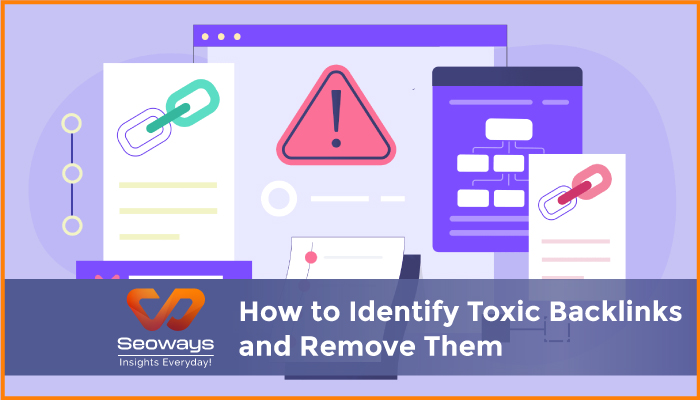
Backlinks remain one of the most important ranking factors in SEO. They signal trust, authority, and relevance to search engines. But not all backlinks are beneficial. Toxic backlinks—links from spammy, irrelevant, or low-quality websites—can harm your search rankings and even trigger Google penalties.
Understanding how to identify and remove toxic backlinks is essential for maintaining a healthy backlink profile and protecting your website’s SEO performance. In this article, we’ll explore what toxic backlinks are, how to identify them, practical steps for removal, and tips for preventing them in the future.
Toxic backlinks are links that can negatively affect your website’s SEO. These often come from low-quality sources, unrelated niches, or websites that engage in spammy practices. Google’s algorithms, particularly Penguin, are designed to detect unnatural linking patterns and can penalize sites with a high number of toxic links.
Signs of Toxic Backlinks
I remember working with a local e-commerce client who experienced a sudden drop in rankings. After auditing their backlink profile, we discovered hundreds of low-quality directory links that were harming their SEO. Removing those links and disavowing the remaining toxic ones helped the website recover within a few months.
Impact on Rankings
Google interprets toxic backlinks as attempts to manipulate search rankings. Websites with unnatural links can see a drop in rankings or even be hit with a manual penalty.
Loss of Credibility
Toxic backlinks can harm your brand’s online reputation. Links from spammy or adult websites may lead users to question your credibility.
Wasted SEO Efforts
Even if you produce high-quality content, toxic backlinks can undermine your efforts, preventing you from achieving higher rankings.
Use Backlink Analysis Tools
Tools like Ahrefs, SEMrush, Moz, and Majestic provide detailed reports on your backlink profile. Look for metrics such as domain authority, spam score, and relevance to your niche.
Check for Irrelevant Links
Links from websites unrelated to your industry or content are often considered toxic. For example, a tech blog linked from an adult content site is likely harmful.
Analyze Anchor Text
Overuse of exact-match anchor text, particularly for competitive keywords, is a red flag. Natural backlink profiles usually have a variety of anchor texts.
Look for Low-Quality Domains
Websites with low domain authority, thin content, or a high spam score are more likely to be toxic.
Monitor Link Velocity
A sudden spike in backlinks, especially from suspicious sources, can indicate unnatural link-building practices and potential toxicity.
Step 1: Compile a List of Toxic Links
Use backlink analysis tools to generate a list of links that appear suspicious or harmful. Organize them by domain, anchor text, and potential risk level.
Step 2: Contact Webmasters
Reach out to website owners requesting link removal. Provide the exact URL of the page linking to you and politely ask them to remove it.
Step 3: Use the Disavow Tool
If webmasters do not respond or the link cannot be removed, use Google’s disavow tool. Upload a file listing all toxic links to signal Google not to consider them for ranking purposes.
Step 4: Monitor Your Backlink Profile
Regularly check your backlinks to ensure new toxic links are not affecting your website. Continuous monitoring helps prevent long-term damage.
E-Commerce Recovery
A fashion e-commerce site had acquired thousands of low-quality links from paid directories. After removing toxic links and disavowing the rest, the site regained lost traffic and rankings within three months.
Local Business
A local service provider noticed a drop in local search visibility. An audit revealed links from unrelated spammy blogs. After disavowing toxic links, their local rankings improved, leading to more leads and inquiries.
Content Website
A tech blog had multiple guest post links from low-quality sources. Removing these links and focusing on genuine outreach resulted in higher domain authority and increased organic traffic.
Focus on Quality, Not Quantity
Prioritize earning backlinks from authoritative, relevant websites instead of acquiring numerous low-quality links.
Use Natural Link-Building Methods
Guest posting, outreach, collaborations, and creating shareable content are safer ways to build backlinks.
Regular Backlink Audits
Conduct periodic audits to identify and remove toxic links before they harm your rankings.
Avoid Black-Hat SEO Practices
Paid links, link farms, and excessive reciprocal linking increase the risk of toxic backlinks. Stick to ethical SEO practices.
Proactively managing your backlink profile is crucial. Waiting until rankings drop can lead to long recovery periods and lost traffic. By regularly auditing your links, disavowing suspicious backlinks, and maintaining a natural link profile, you can protect your website from penalties and improve search visibility.
Toxic backlinks are a serious threat to SEO success. Identifying and removing them is essential for maintaining rankings, protecting brand credibility, and maximizing the value of your content. By using tools to analyze your backlinks, contacting webmasters, disavowing harmful links, and implementing preventive measures, you can maintain a healthy backlink profile and ensure long-term SEO performance.
A proactive approach not only mitigates risks but also strengthens your authority and trustworthiness in the eyes of search engines.
| Section | Key Points | Insights |
| Understanding Toxic Backlinks | Definition, types, signs | How harmful links affect SEO |
| Why Toxic Backlinks Are Harmful | Rankings, credibility, wasted efforts | Risks of ignoring toxic links |
| Identifying Toxic Backlinks | Tools, relevance, anchor text, domain quality | Methods to spot harmful links |
| Steps to Remove Toxic Links | Compile list, contact webmasters, disavow, monitor | Step-by-step removal process |
| Real-World Examples | E-commerce, local business, content sites | Success stories from link cleanup |
| Preventing Toxic Backlinks | Quality focus, natural link-building, audits, ethical SEO | Strategies to avoid future issues |
| Proactive Management | Regular monitoring, continuous improvement | Maintaining a healthy backlink profile |
| Conclusion | Summary and key takeaways | Protect rankings and ensure long-term SEO |


Request your best quote today!”

With the #1 Digital Marketing Agency!
We specialize in SEO, driving traffic, enhancing online visibility, and transforming markets with innovative strategies.
Seoways LLP,
1st Floor, SKK Complex,
Mohanur Road,
TN – 637001
Skype/Telegram: Seoways
Phone: +91 959 77 00 888