
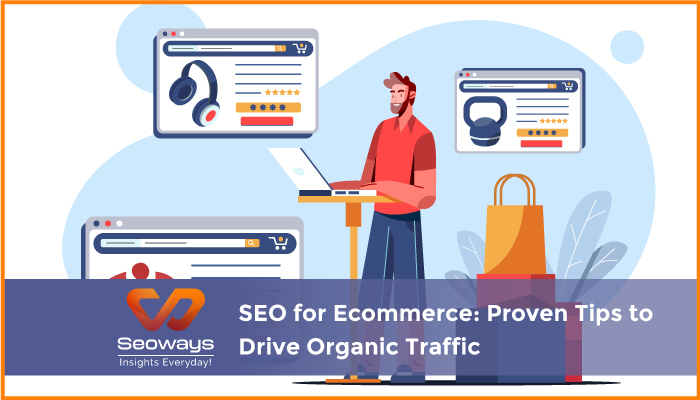
Running an ecommerce store today is very different from what it used to be even five years ago. With thousands of products competing in every niche, the biggest challenge for store owners is not just setting up a beautiful website but actually getting consistent traffic that converts. This is where search engine optimization becomes the heartbeat of growth.
I learned this the hard way when I launched my first ecommerce store in 2016. I believed that just having great products and running a few ads would bring customers in. The truth was far from it. My store barely got any organic visitors. Only after I started investing time in SEO strategies like keyword research, on page improvements, and content marketing did I see steady sales without burning money on ads.
In 2025, SEO for ecommerce has evolved even further. Search engines are smarter, customer expectations are higher, and competition is tougher. But with the right steps, any store can stand out. Let us walk through the proven tips that will help your ecommerce business drive sustainable organic traffic.
Paid ads may give you quick clicks but they stop the moment you turn off the budget. SEO, on the other hand, builds a foundation of visibility that works around the clock. When your products rank naturally on search engines, customers see you as trustworthy, and the lifetime value of that organic visibility is far greater than paid campaigns.
I once worked with a client in the fashion niche who relied heavily on ads. Their cost per sale kept rising until it ate into profits. By shifting focus to SEO, we built a steady flow of free traffic that reduced ad dependence and stabilized revenue.
The first building block of ecommerce SEO is keyword research. But not every keyword is worth targeting. Instead of just chasing high volume words like “shoes” or “smartphones,” you need to dive into intent based keywords that indicate what a customer is ready to do.
For example, instead of focusing only on “leather bags,” a smart store would target phrases like “buy leather laptop bag online” or “genuine leather office bag.” These longer keywords may have fewer searches, but they bring visitors with purchase intent.
Tools like Google Keyword Planner and Semrush are useful, but I always add my own customer research by checking forums, product reviews, and even competitor stores.
Many ecommerce owners underestimate the power of product pages. They simply upload an image, add a short description, and move on. But every product page is a chance to rank.
Here are a few steps I follow with every store I work on
I once helped a client who sold kitchenware. By rewriting their product descriptions in a simple, benefit focused style and adding schema markup, we saw a thirty percent rise in organic traffic to those pages within three months.
Imagine walking into a supermarket where the aisles are messy and products are scattered randomly. You would leave in frustration. Search engines feel the same way about disorganized websites.
Your ecommerce site needs a clear structure. Categories should be logically arranged, internal links should help users and crawlers move easily, and URLs should be clean and descriptive.
I like to think of it as creating a digital shopping mall. Every section should lead naturally to the next. A well structured site not only helps rankings but also improves user experience, which indirectly boosts conversions.
Content is not just for blogs. In ecommerce, it is a silent salesperson. By publishing helpful guides, comparisons, or even trend based articles, you attract customers before they are even ready to buy.
One of my favorite examples was when I worked with a store selling organic skincare. Instead of just relying on product pages, we created articles like “How to Choose the Right Skincare for Winter” and “Top Ten Ingredients to Avoid in Skincare.” These posts attracted thousands of readers, many of whom later became customers.
Content allows you to build authority and establish trust, which is priceless in ecommerce.
No matter how beautiful your store looks, if search engines cannot crawl it, you will not rank. That is where technical SEO comes in.
In ecommerce, some essentials include
I once had a store that loaded slowly because of oversized images. After optimizing the images and using a content delivery network, the site speed improved, bounce rate dropped, and rankings climbed.
Backlinks remain a cornerstone of SEO, but in ecommerce it is less about quantity and more about relevance. Instead of buying links, I often reach out to niche bloggers, run collaborations, or even offer free samples for honest reviews.
For example, when promoting a store in the fitness niche, we sent products to influencers who then linked back to us. These natural backlinks helped the site build authority and visibility in search results.
One powerful but often overlooked SEO booster is user generated content like reviews, testimonials, and customer photos. These not only increase trust but also provide fresh content that search engines love.
I recall a store where we encouraged customers to leave reviews with photos. Within weeks, those reviews started appearing in search snippets, giving the store higher click through rates.
If your store also operates offline or delivers in specific regions, local SEO can be a game changer. By optimizing Google Business Profile, adding local keywords, and encouraging location based reviews, you can capture an audience that competitors may ignore.
A client selling handmade furniture targeted terms like “handmade wooden tables in Bangalore.” This local approach helped them get discovered by customers in their city while still building national visibility.
SEO for ecommerce is never a one time effort. Algorithms change, competition grows, and customer behavior shifts. You need to track performance regularly through tools like Google Search Console and analytics.
I always set monthly reviews where I check rankings, identify pages that are slipping, and update them with fresh content. This practice keeps the site healthy and ensures steady growth.
Driving organic traffic to an ecommerce store in 2025 is challenging but not impossible. The key lies in combining proven SEO strategies with consistency and patience. From keyword research to technical fine tuning and creative content marketing, every step plays a role.
I have seen small stores transform into million dollar businesses simply by committing to SEO. And I have also seen big stores lose ground because they ignored it. The choice is clear. Invest in SEO today, and your ecommerce business will not just survive but thrive in the years ahead.
| Sub Topic | Key Insight |
| Why SEO matters | Builds sustainable traffic beyond paid ads |
| Keyword research | Focus on intent based long phrases |
| Product page optimization | Unique content, alt text, schema |
| Site architecture | Clear structure improves crawlability |
| Content marketing | Guides and articles attract authority |
| Technical SEO | Speed, security, structured data |
| Backlinks | Relevant and natural links matter most |
| User generated content | Reviews boost trust and SEO |
| Local SEO | Capture regional traffic for growth |
| Tracking performance | Regular reviews keep rankings stable |


Request your best quote today!”

With the #1 Digital Marketing Agency!
We specialize in SEO, driving traffic, enhancing online visibility, and transforming markets with innovative strategies.
Seoways LLP,
1st Floor, SKK Complex,
Mohanur Road,
TN – 637001
Skype/Telegram: Seoways
Phone: +91 959 77 00 888