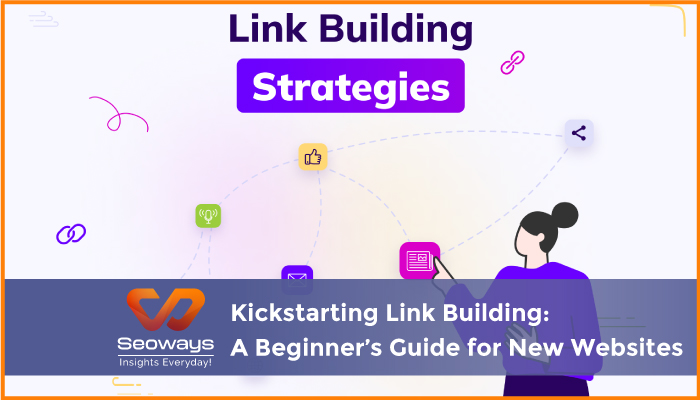
If you are just starting a website, you have probably heard people throw around phrases like SEO backlinks, link juice, and domain authority. Honestly, it can all feel overwhelming at first. I remember when I launched my first blog; I spent days reading articles, feeling confused about where to even start with link building. Eventually, I realized that link building is not magic. It is a step-by-step process, and anyone can master it with patience and strategy.
In this guide, I will walk you through link building basics, beginner-friendly strategies, and tips to make your new website more visible online.
Link building is simply the process of getting other websites to link back to your site. Search engines like Google consider links as votes of confidence. When a high-quality site links to your page, it signals that your content is valuable and trustworthy.
But not all links are equal. A link from a popular blog or news site carries more weight than one from a random forum. Similarly, too many spammy links can hurt rather than help. The key is quality over quantity.
New websites often struggle to rank because search engines have little idea about their authority. Link building helps your website in several ways:
When I first started, I focused on getting as many links as possible. I learned quickly that not all links are beneficial. Quality is more important than quantity. Consider these factors:
Here are some strategies that worked for me when I was just starting.
Guest posting is one of the most effective ways to get high-quality links. Reach out to blogs in your niche and offer valuable content in exchange for a link back to your website.
For instance, I wrote a guest article for a tech blog when I launched my first software review site. That single post drove over 200 visitors in the first week and gave my site an authority boost.
Listing your website on local business directories or niche directories can help new websites get initial links. Examples include Google My Business, Yelp, and industry-specific directories.
Make sure your information is accurate and consistent across all platforms. This not only improves SEO but also builds trust with visitors.
While social links are often no-follow, they can still drive traffic and increase visibility. Sharing your content on LinkedIn, Twitter, Facebook, or niche forums can lead to natural backlinks when others reference your posts.
I once shared a small infographic on a LinkedIn group and got three bloggers to link to it within a week. Small efforts like this add up.
This is a strategy I found surprisingly fun. You look for broken links on other websites and suggest your content as a replacement. Tools like Check My Links or Ahrefs can help find broken links.
It’s a win-win. The website owner fixes a broken link, and you earn a relevant backlink.
The skyscraper technique involves finding popular content in your niche, creating something better, and then reaching out to websites that linked to the original content.
For example, if a post about vegan recipes has 50 backlinks, you can create a more comprehensive guide and ask those sites to link to your version. This works well for new sites willing to put in extra effort.
When I was starting, I made a few mistakes that cost me time and traffic:
It’s important to track your efforts to see what works. Tools like Google Analytics, Ahrefs, and SEMrush can help monitor:
I usually set monthly goals for the number of links and traffic improvements. Seeing small wins keeps motivation high.
Link building is not a one-time task. Here are a few tips to make it sustainable:
| Section | Key Points | Purpose |
| What is Link Building | Definition and how links work | Introduces basic concept |
| Why It Matters | Ranking, traffic, relationships | Explains importance |
| Understanding Link Quality | Relevance, authority, placement | Guides beginners on evaluating links |
| Beginner Strategies | Guest posts, directories, social, broken links, skyscraper | Step-by-step actionable advice |
| Common Mistakes | Quantity vs quality, anchor text, buying links | Warns beginners |
| Measuring Success | Analytics tools, traffic, backlinks | Shows how to track progress |
| Long-Term Tips | Content, communities, ethics, patience | Ensures sustainable link building |


Request your best quote today!”

With the #1 Digital Marketing Agency!
We specialize in SEO, driving traffic, enhancing online visibility, and transforming markets with innovative strategies.
Seoways LLP,
1st Floor, SKK Complex,
Mohanur Road,
TN – 637001
Skype/Telegram: Seoways
Phone: +91 959 77 00 888