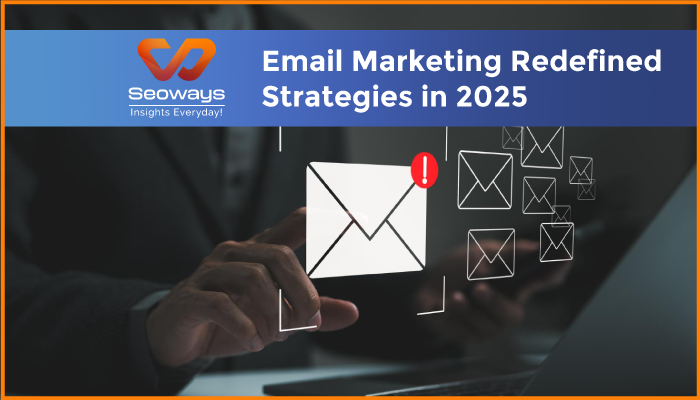
Email marketing has never been dead. In fact, it has reinvented itself with every passing year. What began as simple newsletters has now evolved into an advanced ecosystem where personalization, automation, and intelligence drive results. By 2025, email marketing has become a science of timing, psychology, and trust. Brands that master it are building unshakable relationships with their audiences, while those who stick to old methods are getting lost in the noise.
This guide will take you through the most advanced strategies to excel at email marketing in 2025. It is not just about open rates or click through rates anymore. It is about creating experiences, building loyalty, and earning a place in the everyday lives of your subscribers.
Artificial intelligence has reshaped how emails are written, delivered, and read. AI powered algorithms can predict when a user is most likely to engage, what subject line will capture attention, and even which offer resonates best. Instead of sending the same message to everyone, brands now send highly individualized content. This has made email one of the most personal digital channels, almost like a private conversation between the brand and the user.
Adding a first name in the subject line is no longer enough. In 2025, personalization means delivering emails that reflect user behavior, past purchases, browsing habits, and even emotional triggers. Imagine receiving an email from a fitness brand that not only congratulates you on completing your tenth workout but also suggests the exact nutrition plan you need. This depth of personalization makes emails feel like they were handcrafted for each individual.
Static email campaigns are fading away. Instead, real time dynamic content allows emails to change after being sent. For example, a travel company can send an email that updates with live flight deals or hotel availability based on the time you open it. Retail brands can show updated stock levels, trending items, or even real time countdown timers that make offers irresistible.
Inboxes are crowded with offers, discounts, and promotions. What cuts through is storytelling. Humans connect with emotions, not just numbers. Smart brands now use emails to tell mini stories, showcase customer journeys, and create anticipation. Instead of saying “20 percent discount on shoes,” they say “Meet the shoes that carried a runner through her first marathon.” This emotional appeal transforms a sales email into a memorable narrative.
Traditional segmentation divided subscribers by demographics like age or location. Hyper segmentation powered by predictive analytics goes much deeper. AI can now identify micro behaviors such as users who read product reviews before buying, those who browse late at night, or those who only purchase after receiving a discount code. Marketers can then create campaigns that target these specific behaviors, leading to higher conversions.
Emails are no longer flat messages. In 2025, interactive design allows users to take actions directly inside the inbox. From filling out surveys and booking appointments to browsing mini catalogs or even completing purchases without leaving the email, the inbox has become an interactive playground. This reduces friction and increases engagement rates dramatically.
With stricter privacy laws and smarter users, trust has become central to email marketing. Brands that respect consent, explain how data is used, and deliver genuine value build stronger subscriber bases. Transparency about unsubscribe options and data usage is not just legally required but also builds long term credibility.
Subject lines are the gatekeepers of email success. In 2025, AI tools can generate subject lines tailored to each subscriber’s interests. For one user, the subject may highlight exclusivity, while for another it may emphasize urgency. This micro tailoring has driven open rates to new heights, but it only works when combined with authentic content inside the email.
The best time to send an email is no longer a general rule. It is individual. AI now calculates the exact minute when a subscriber is most likely to open an email based on their past interactions. This level of precision turns timing into a competitive advantage.
Automated sequences are not new. What is new is automation that feels deeply personal. Instead of robotic reminders, users receive emails that adapt based on their actions. If someone browses a product but does not buy, they may receive an inspiring use case story instead of a generic “complete your purchase” nudge. Automation has become conversational rather than mechanical.
Design trends in email have shifted towards simplicity. Clean layouts, bold typography, and subtle animations now dominate inboxes. Instead of overloading with banners and colors, brands focus on clarity and elegance. The goal is to make the message effortless to absorb.
Emails are no longer just read on screens. Smart speakers and voice assistants now read emails aloud, while connected devices can trigger actions directly. Brands that optimize for voice friendly content gain an extra advantage by being accessible beyond the screen.
Consider a fashion brand that implemented hyper segmentation. Instead of sending one campaign to all subscribers, it created five micro segments. One was for shoppers who abandoned carts with shoes, another for users browsing late at night, another for first time buyers, and so on. Each received a tailored email sequence. The result was a thirty five percent higher conversion rate compared to their old campaigns.
The Future Outlook
Email will continue to adapt, but its core strength will remain the same. It is direct, personal, and measurable. The future lies in making emails more like human conversations rather than marketing blasts. Those who master the art of blending AI intelligence with human creativity will own the inbox in 2025 and beyond.
| Section | Key Insight |
| Evolution of Email | AI reshapes how emails are written and read |
| Personalization | Goes beyond names into behavior and emotion |
| Real Time Content | Emails update with live data after sending |
| Storytelling | Emotional narratives replace flat promotions |
| Hyper Segmentation | Predictive analytics targets micro behaviors |
| Interactive Emails | Users can act directly inside the inbox |
| Privacy and Trust | Transparency builds loyalty and compliance |
| AI Subject Lines | Micro tailored lines improve open rates |
| Timing Precision | AI optimizes individual send times |
| Human Automation | Sequences adapt with natural tone |
| Minimalist Design | Clean layouts dominate inbox trends |
| Voice Integration | Emails extend to smart devices |
| Case Study | Segmented campaigns lift conversions |
| Future Outlook | Humanized AI powered emails lead the way |
| Action Plan | Ten clear steps for 2025 success |


Request your best quote today!”

With the #1 Digital Marketing Agency!
We specialize in SEO, driving traffic, enhancing online visibility, and transforming markets with innovative strategies.
Seoways LLP,
1st Floor, SKK Complex,
Mohanur Road,
TN – 637001
Skype/Telegram: Seoways
Phone: +91 959 77 00 888