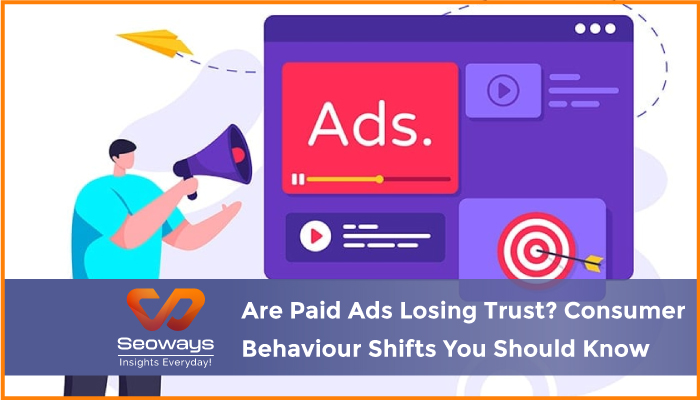
Advertising has always been a game of attention. For decades, brands poured money into TV, billboards, and radio to capture eyeballs. Then the internet came along and paid ads became the fastest way to reach people at scale. But something interesting is happening today. People are becoming less trusting of paid ads. They scroll past banners, skip pre-rolls, and tune out popups. The money still flows in, but the consumer mindset is shifting.
This article digs into why paid ads are losing trust, what consumer behaviour is changing, and how brands can adapt. We will explore the subtle psychology at play, the rise of alternatives, and practical steps for marketers who want to stay relevant.

Consumers are not blind to advertising anymore. The average internet user sees thousands of ad impressions every day. The overload creates fatigue. Instead of curiosity, ads often trigger suspicion. People ask themselves, is this brand pushing too hard? Are they trustworthy or just trying to sell me something?
Click through rates tell the story. In the early days of online ads, banners and search ads pulled strong results. Now, most formats struggle. Users have trained themselves to ignore anything that looks sponsored. The badge that says “ad” often works against the message, not for it.

One of the clearest signals of distrust is the widespread adoption of ad blockers. Millions of people actively install software just to avoid seeing ads. This is not simple laziness. It’s a choice. People are saying, I don’t want to be interrupted or tracked.
This behaviour shows that consumers are pushing back. They are willing to go out of their way to avoid marketing messages they do not trust. For advertisers, this means the old formula of blasting impressions is no longer sustainable.


Social platforms were once goldmines for paid ads. Targeting was precise, formats were engaging, and costs were manageable. But things are shifting. Organic posts from influencers often outperform branded ads in engagement. Users see influencer content as more real, even if it is sponsored.
Algorithms also play a role. Platforms prioritize content users interact with, which often means ads need to be disguised as entertainment or education to even stand a chance. Straightforward sales messages lose traction fast.

Another reason paid ads are losing credibility is privacy. Tracking technologies make ads feel invasive. When people see a product they browsed yesterday suddenly follow them across websites, they don’t feel cared for. They feel watched.
Governments have stepped in with regulations like GDPR and CCPA. But the damage is done. Many consumers now assume paid ads equal surveillance. Trust erodes further when data usage is not transparent.

As trust in ads declines, people are turning toward content and community. They want value before purchase. They prefer to engage with blogs, podcasts, videos, and online groups where the brand shows expertise instead of just selling.
Communities offer something paid ads cannot replicate: belonging. A customer who feels part of a brand community trusts more and stays longer. Paid ads rarely build that bond on their own.

It would be wrong to declare the death of paid ads. They still play a critical role in awareness and scaling campaigns. What is dying is blind faith in them as the only growth driver. The key is how they are used.
Successful brands now blend paid ads with content, SEO, influencer partnerships, and community building. Paid campaigns work best when they feel like a natural extension of a bigger story rather than an isolated push for clicks.


AI is reshaping advertising by making personalization more advanced. Done right, personalization makes ads feel relevant instead of annoying. But there is a fine line. When personalization crosses into overfamiliar territory, trust dips again.
The future may belong to brands that use AI responsibly, with transparency and respect for privacy. Ads that feel like recommendations rather than intrusions have a much higher chance of building trust.

Consumer behaviour will keep evolving. Today’s skepticism is tomorrow’s new normal. What does not change is the core principle: trust matters more than exposure. A million impressions mean little if people don’t believe you.
Brands that succeed will not abandon paid ads but will redefine them. They will shift focus from impressions to relationships, from interruption to integration, from selling to serving.

Paid ads are not losing relevance, but they are losing blind trust. Consumers are smarter, more cautious, and more empowered than ever. They demand authenticity, transparency, and value before they open their wallets.
The brands that understand this shift will stop relying on paid ads alone. Instead, they will blend ads with organic trust builders like content, community, and social proof. That is how you maximize ROI in a world where consumers decide who they trust.

| Section | Key Takeaway | Action Point |
| Growing Skepticism | Consumers ignore ads | Focus on relevance and honesty |
| Ad Blocking | Users actively avoid ads | Respect user choice, reduce intrusiveness |
| Behaviour Shifts | Preference for authenticity | Use reviews and user content |
| Social Media | Influencers outperform brand ads | Partner with trusted voices |
| Privacy Concerns | Tracking reduces trust | Be transparent with data |
| Content and Community | Ads cannot replace belonging | Build deeper engagement |
| Rebuilding Trust | Native, transparent, social proof | Integrate ads into a bigger story |
| AI Role | Personalization must respect privacy | Use AI responsibly |